
Foundation repair in Wichita costs $3,000–$12,000 for most structural jobs — piers $1,200–$3,000 each, wall restraint from $2,500, crack injection from $400, moisture and drainage work from $300. Fat clay's ~30% volume swing drives every line; measurement sets your exact numbers.
The full table, the amplitude's effect on quotes, and the comparison method that keeps three bids honest.
Wichita prices by repair
| Repair | Typical range | Priced by |
|---|---|---|
| Crack injection (each) | $400–$800 | Length, wet vs. dormant, breathing history |
| Carbon fiber straps (each) | $350–$700 | Wall height, span count |
| Wall restraint (per wall) | $2,500–$10,000 | Deflection inches, system, access |
| Drainage + moisture systems | $300–$8,000 | Both ends of the swing addressed |
| Steel piers (each) | $1,200–$3,000 | Active-zone depth, access |
| Full underpinning | $4,000–$12,000 | Pier count (3–8 typical) |
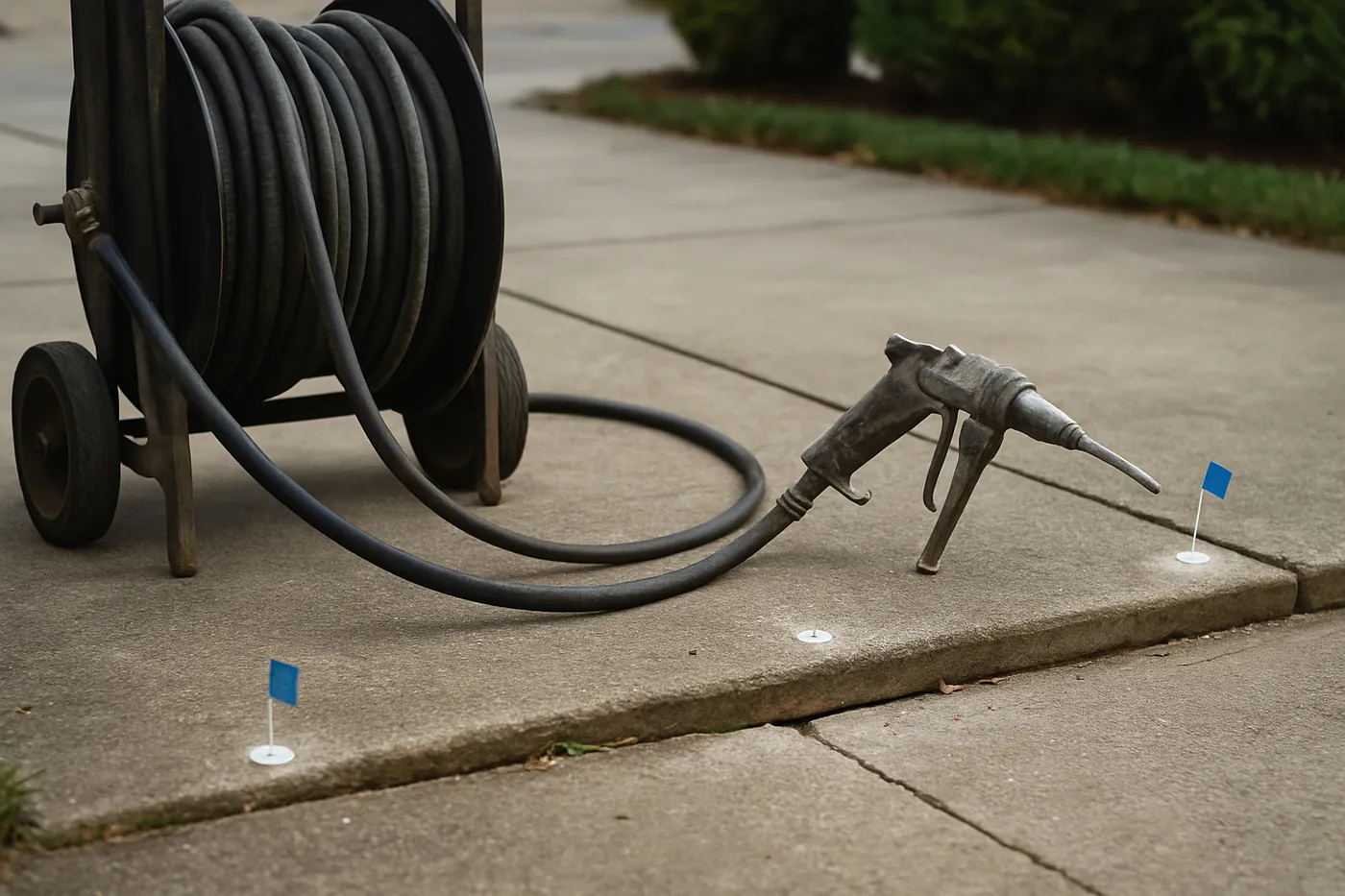
| Slab leveling (ext/int) | $500–$2,500 | Slab count, void volume |
Ranges reflect regional contractor pricing; written scopes carry fixed line-item prices after the free measured evaluation.
How the amplitude moves a quote
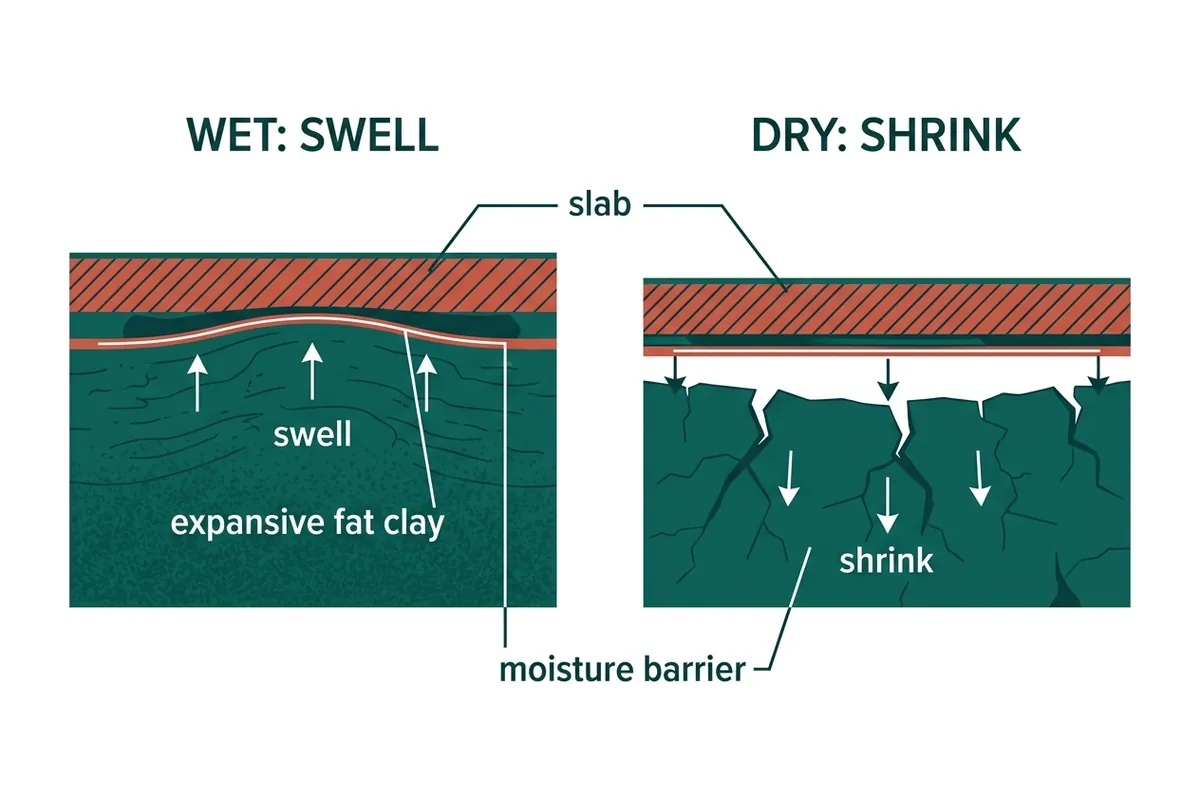
- Inches accrue by the season. Deflection and drop price the wall and pier lines, and Wichita's swing adds increments annually — the same wall costs strap money early and anchor money after two more storm cycles.
- The active zone sets pier feet. Deeper drought penetration on open lots means longer piers; sheltered city blocks often drive shorter. Feet are dollars.
- Slab market mercy. No basement walls to restrain and shorter perimeter runs keep many Wichita jobs under basement-metro prices — the housing mix is a genuine discount.
- The moisture multiplier. Scopes skipping the moisture plan invite the sequel; scopes including it protect the steel. We price the plan beside every structural line so the leverage stays visible.
Keeping three bids honest
Force convergence on five lines: system, count, measurement, warranty, amplitude read. “Fix the settling — $7,000” is weather reporting. “Five helicals on the drought-bitten south run at measured 1.4-inch drop, moisture plan included, transferable warranty” is engineering you can compare. When bids still differ, you're choosing between real philosophies — and the one without a moisture strategy on fat clay is philosophy-lite.
The early-measurement discount
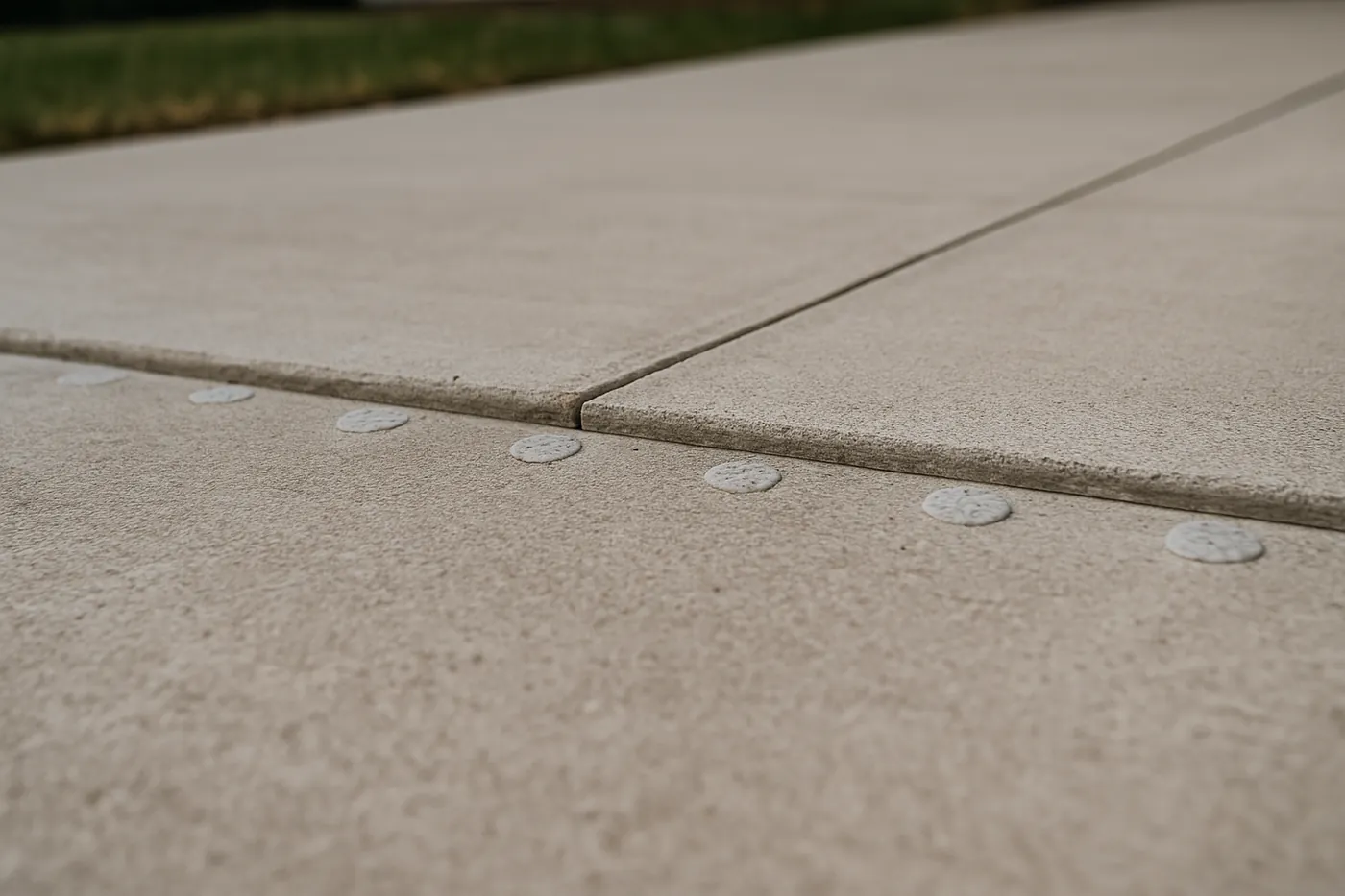
Wichita's cost curve compounds with the calendar: unsealed cracks pay winter interest, unmanaged amplitude pays every season. Most of the five-figure jobs we quote were four-figure jobs two amplitude years earlier — and plenty of houses measured early never graduate past the moisture plan at all. The free evaluation is the cheapest line on this page and the one that caps all the others.
Cost questions, straight answers
What's the average foundation repair cost in Wichita?
Most structural jobs run $3,000-$12,000: piers $1,200-$3,000 each (three to eight typical), wall restraint $2,500-$10,000, drainage and moisture systems $300-$8,000, crack injection from $400. Slab-market repairs frequently land below basement-metro prices — one of Wichita's quiet advantages.
Why do bids differ so much for the same crack?
Different diagnoses more than different margins: one bidder reads a cosmetic seal, another reads live settlement, a third quotes the pier run. On expansive clay the difference is legitimate — which is why every bid should name its amplitude read (drought-shrink? swell-push? dormant?) and the measurement behind it. Ours opens with exactly that.
Is the moisture plan really worth paying for?
It's the best leverage in the metro: hundreds of dollars of drainage-and-evenness work measurably flattens the swing that causes thousands in structural damage. We quote it beside every steel line so the arithmetic argues for itself — and plenty of houses need only the plan.
When's the cheapest time to book work here?
Fall for crack injection (beat the freeze's mining season), the dry months for wall recovery and excavation (the clay's in retreat — prime tightening weather), and 'before the next amplitude year' for everything else, which is to say: at the first measured sign.
What should a Wichita bid always include?
System name, unit count, the measurements justifying it, warranty terms — plus the local fifth line: the amplitude read and the moisture plan. A fat-clay bid without a moisture strategy is half a diagnosis at full price.
Figures reviewed July 2026. Sources you can check: The soil and geology claims on this page are checkable against primary sources: see Kansas Geological Survey and USDA Web Soil Survey.
Get a free Wichita foundation evaluation
Tell us what the house is doing — a crack that grew, a door that quit closing, a slab that dropped — and we'll schedule an evaluation with photos and crack measurements. We reply the same business day.