Most structural work on a Derby foundation costs $3,000–$12,000. Piers usually run $1,200–$3,000 apiece and crack injection starts near $400. Wichita Foundation Co. sends each Derby request to one independent local specialist; ask that specialist to bring a laser level, gauge any wall deflection, and walk the yard to see where water sits.
Growth on the river's shoulder
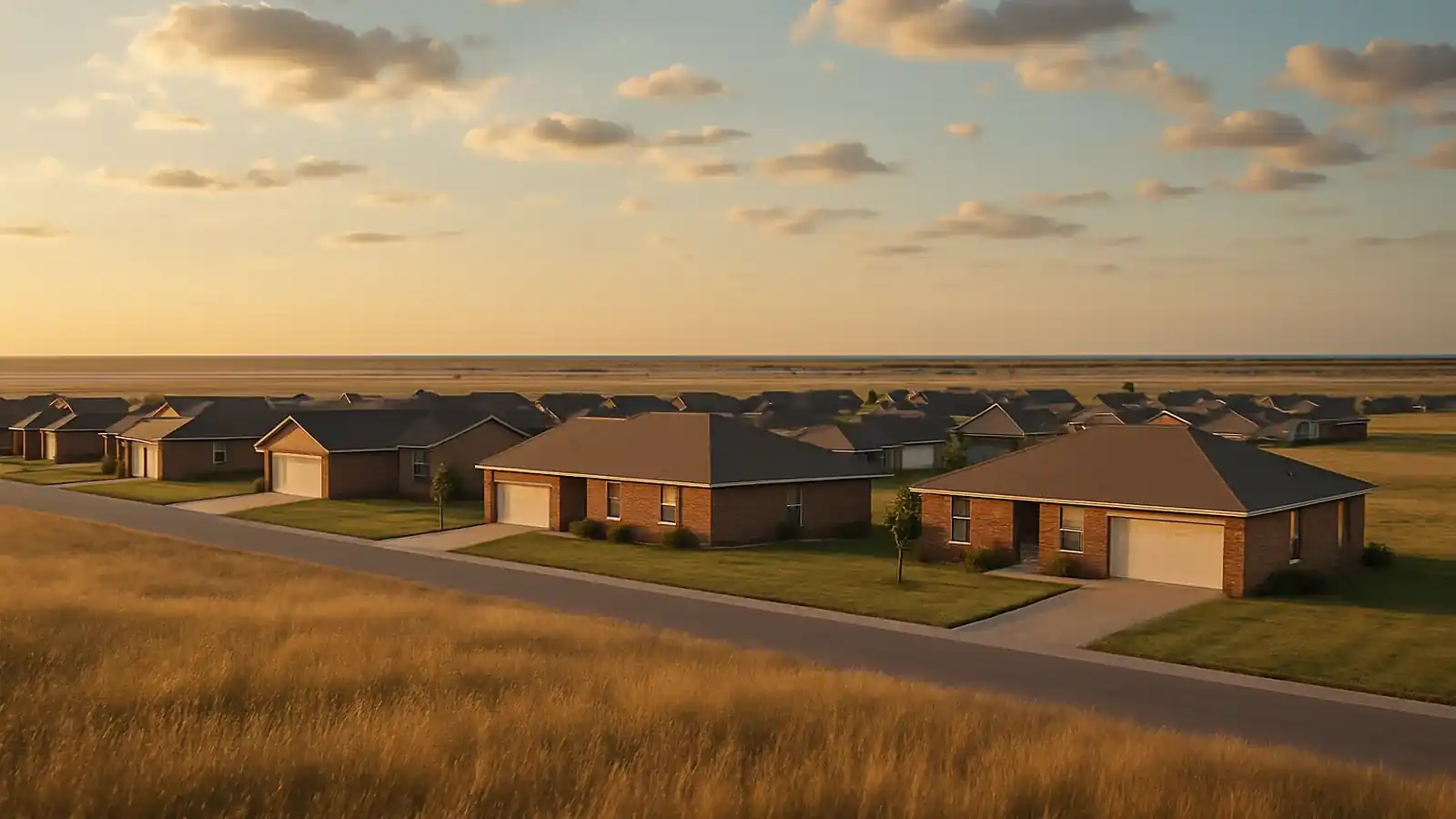
Derby's boom decades stacked subdivisions along the Arkansas River corridor: newer builds on graded pads, a slab-and-basement mix, and lawns irrigated hard against Kansas summers. That last habit matters: irrigation on fat clay keeps one flank of a foundation permanently wet while the shaded side swings naturally, differential moisture writing diagonal cracks on houses barely old enough for their second roof. River-corridor lots add slightly moodier moisture tables than the open prairie above.
The Derby docket
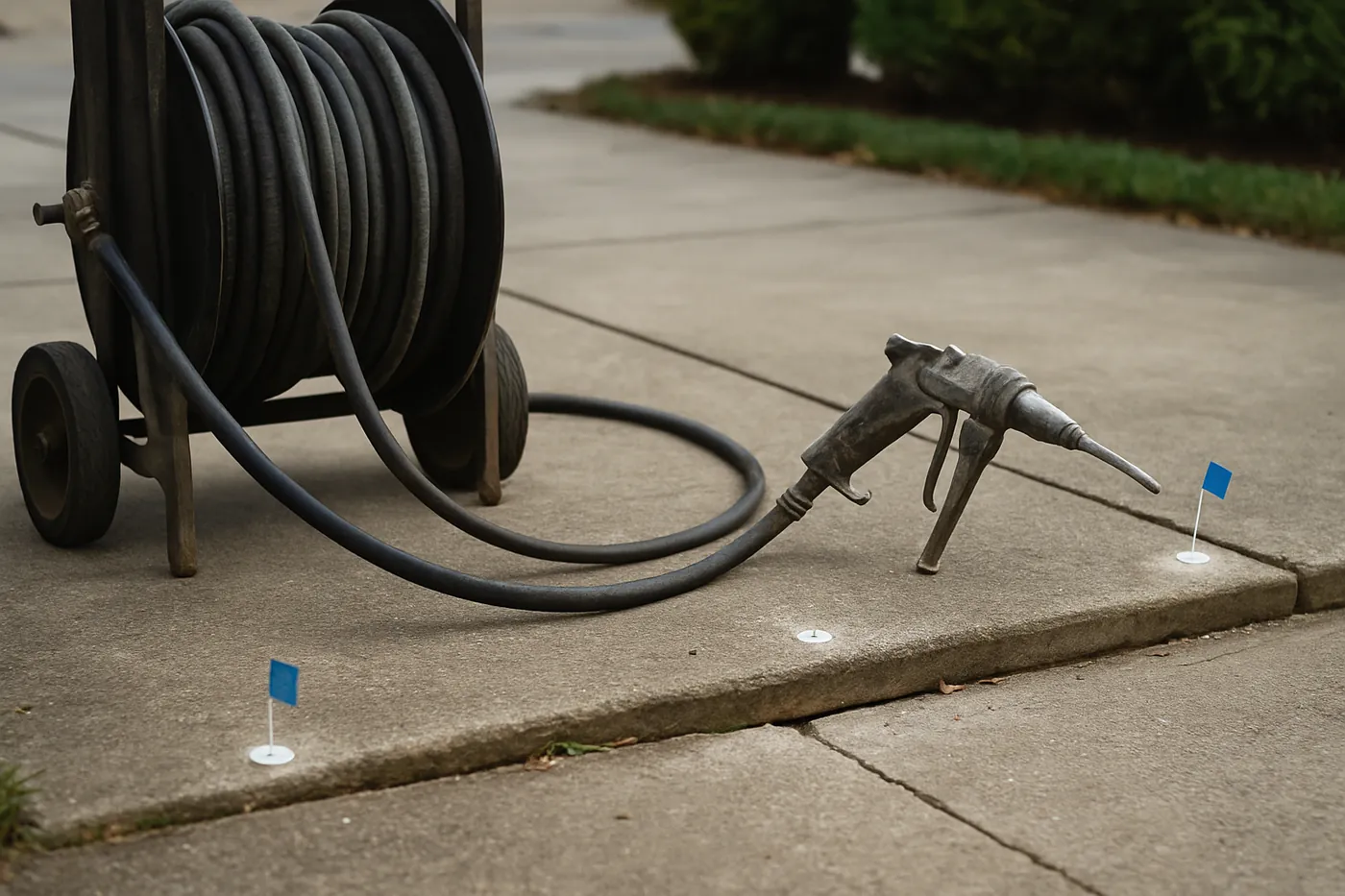
Fill-era settlement at garage corners takes short helical runs; irrigation-differential movement takes zoning corrections alongside any steel; basement walls near the corridor get deflection checks after storm cycles; and a good scope opens with the moisture-story walk, because in Derby the sprinkler controller is often the first structural instrument worth adjusting.
Asked in Derby
Can my sprinkler system really be cracking my house?
On fat clay, uneven watering is uneven soil volume. The irrigated flank swells and stays swollen while dry flanks shrink each summer, and the differential racks the structure. Cracks that map your zone layout are the tell. Rezoning and drip conversion near the slab is often the cheapest line in a Derby scope.
Does living near the river change my foundation risk?
Corridor lots carry higher, moodier moisture tables: more wet-end pressure in storm years, gentler drought bite. It's a different amplitude, not a worse one; drainage leads those scopes where moisture-evenness leads the upland ones.
Derby by construction year
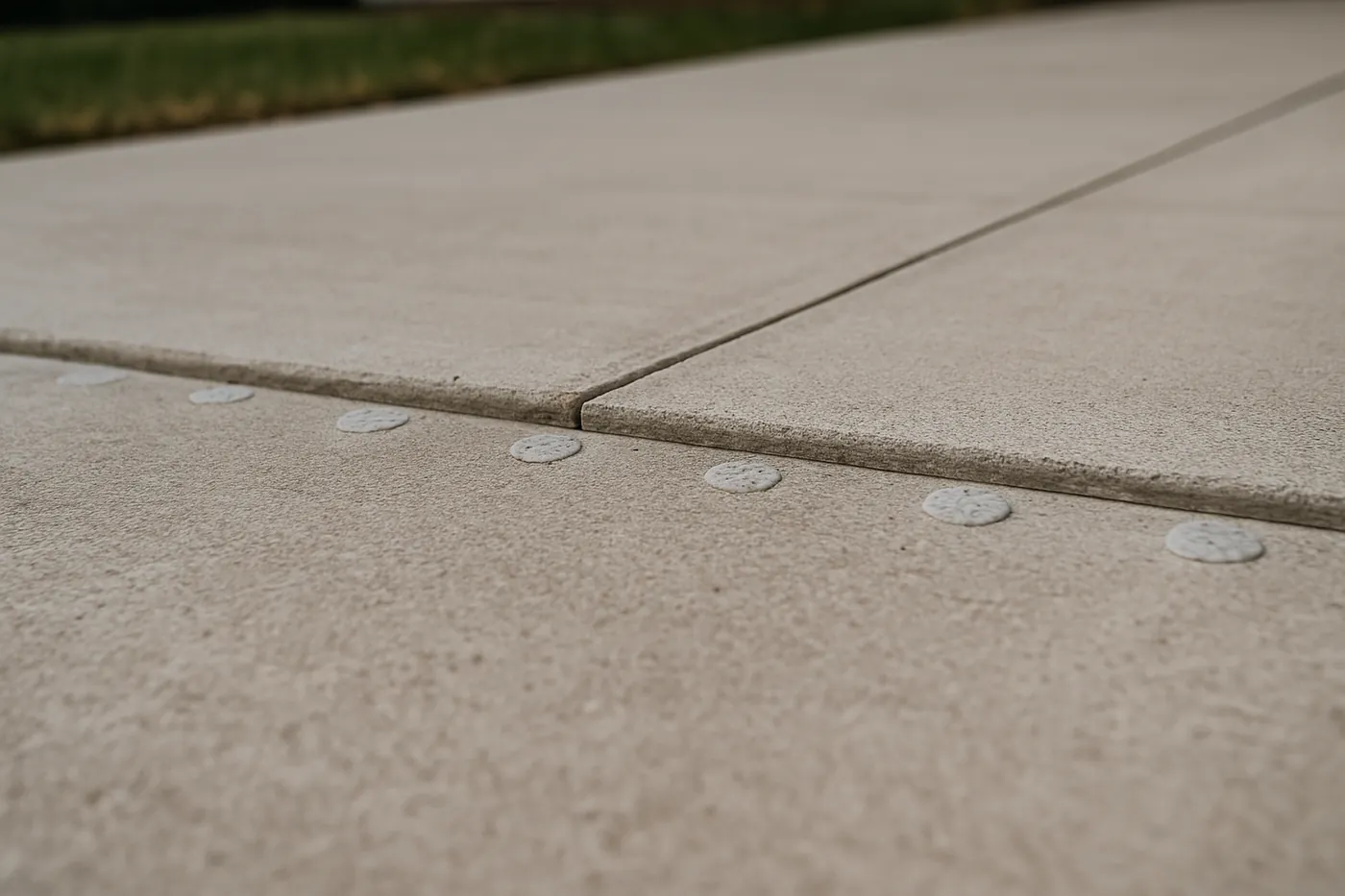
Derby has about 11,030 homes in the Census Bureau's 2020-2024 estimates, with a median year built of 1991. The stock comes in layers: about 15% from the 1950s, a strong 1980s wave of roughly 1,830 homes, and about 37% built since 2000. There are also about 1,100 homes in buildings of 10 to 19 units. A 1950s house and a 2015 house on the same clay raise different questions, so tell the specialist the year yours was built.
Spring Creek and the Arkansas
Spring Creek, Dry Creek of Spring Creek and Trail Creek all have detailed FEMA flood studies within Derby, and the USGS keeps stream gauges on the Arkansas River at Derby and on Spring Creek at the K-15 highway. If your lot sits near one of these streams, check its flood zone before choosing between drainage work and structural repair.
Derby's own inspections office
Derby has its own Building Official, who reviews residential and commercial plans and inspections. The city has adopted the 2024 International Residential Code with local amendments and posts its own foundation standards on the Building Inspections and Codes page. Inspections are booked through the permitting desk at least 24 hours ahead. Ask the specialist whether your repair needs a Derby permit.
The ring, and home base
The full town list is on the service areas page, and the clay background for the metro is on the Wichita foundation repair overview. Whether the first visit is billed depends on the company, so ask on the phone, and ask to keep a copy of the measurements.
Get a Wichita foundation evaluation
Tell us what the house is doing (a crack that grew, a door that quit closing, a slab that dropped) and we'll pass your request on for an evaluation. A local specialist who works in Wichita will call you back.