Maize foundation repairs that involve structure usually total $3,000 to $12,000; small items like a single crack seal may cost only a few hundred dollars. Insist that the price follow a measured evaluation of how far the floors and walls have moved.
Growth at school-district speed
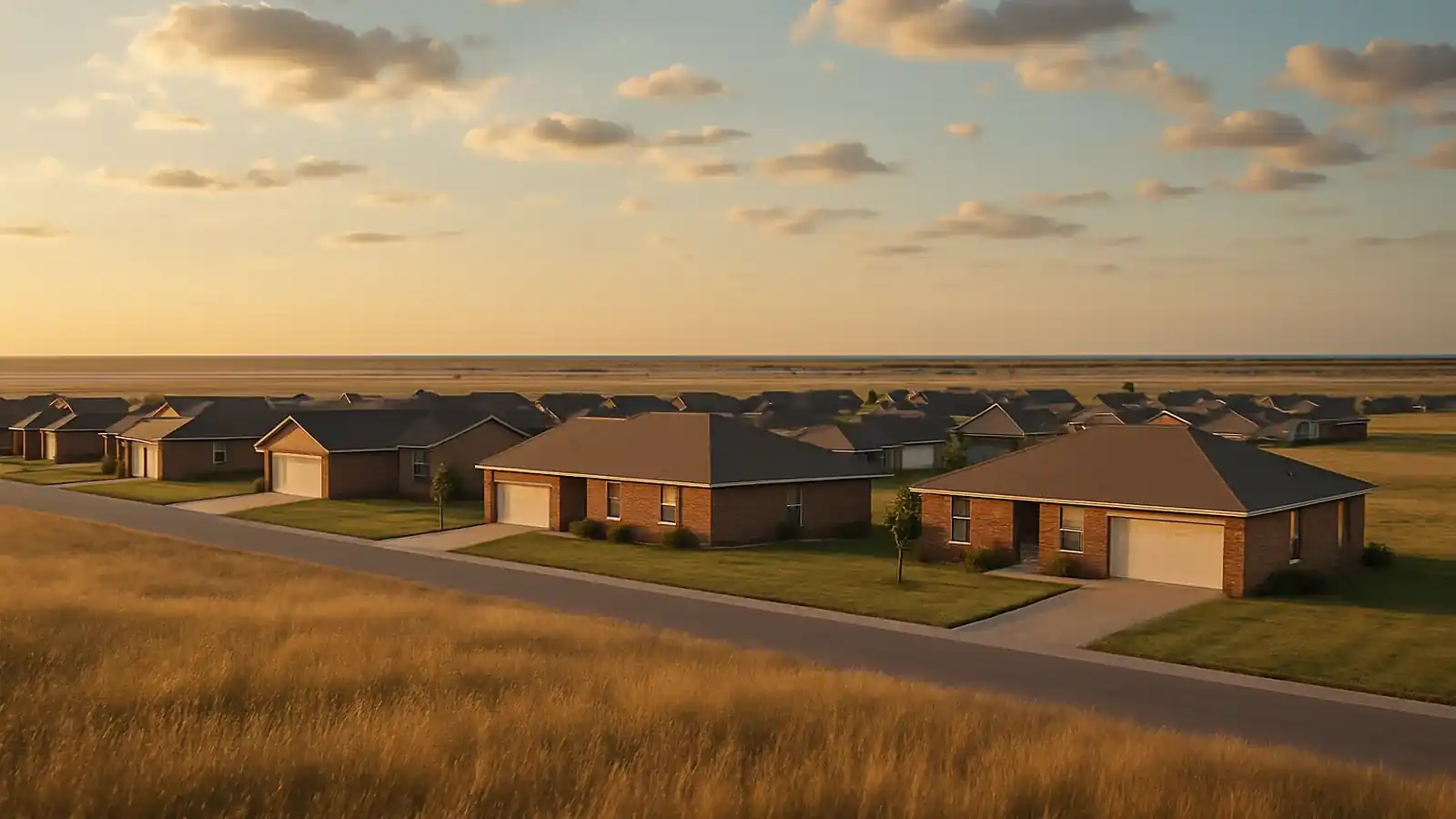
Maize's district reputation pulled subdivisions across its prairie faster than almost anywhere in the ring: whole neighborhoods sharing construction years, grading passes, and therefore future settlement calendars. The clay beneath is the metro standard; the housing above is young, slab-heavy, and irrigated with new-lawn enthusiasm. Early chapters dominate: shrinkage lines, fill clocks winding, moisture stories forming.
Cohort care
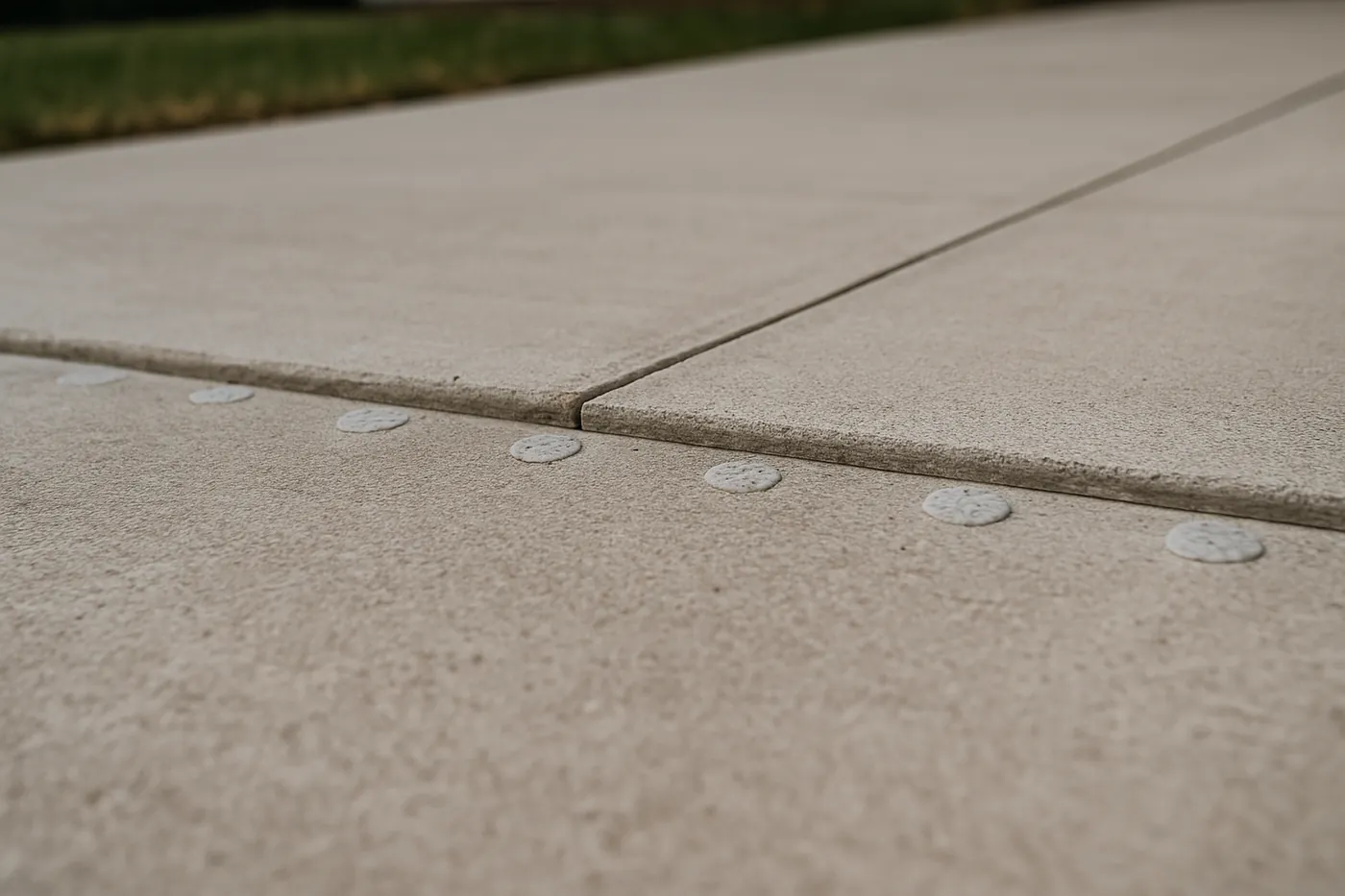
When subdivisions age in cohorts, early houses are scouts: the first garage-corner diagonal on a street usually announces the block's fill clock. A good Maize evaluation leans on that: short helical answers for the early reporters, baselines and amplitude plans for the neighbors, and slab lifts as the flatwork joints open on schedule. measured evaluations; cohort knowledge shared honestly.
Asked in Maize
The house two doors down just got piers. Should I panic?
Baseline, don't panic: same-cohort neighbors share fill depths and calendars, so their year-ten piers are your invitation to an hour of measurement. Most neighbors clear clean; the ones with early movement catch it at short-run prices. Cohort news is useful news.
Are slab-on-grade Maize homes easier or harder to keep healthy?
Easier to protect, faster to signal: no basement walls to load, but floors that report amplitude directly. The winning habit is moisture evenness from year one: slab homes with flat moisture swings on this clay are about as low-drama as prairie foundations get.

A town built mostly since 2010
About 55% of Maize's roughly 2,910 homes were built in 2010 or later, and the Census Bureau's 2020-2024 estimates give a median year built of 2011. Detached single-family houses are only a little over half of the stock; townhomes and apartment buildings make up much of the rest. There is an older layer too: about 365 homes from the 1950s. For most Maize owners the house is new enough that builder records, soil reports and grading plans may still be easy to find, and they help the evaluation.
Sloughs, Cowskin tributaries and a levee
FEMA's flood map shows tributaries of Big Slough and Cowskin Creek and the Little Slough running through Maize, with Zone AE in places and areas marked as protected by a levee. The USGS gauges Cowskin Creek at 29th Street North. Maize's own permit list includes development in a floodplain, so any work near those channels should start with a call to the city.
Who to ask about permits
The City of Maize says permits are generally required for new construction, additions, remodels and several other kinds of work, and asks anyone unsure whether a project needs one to contact the city before starting. Sedgwick County's building department lists Maize among the small cities where it provides services such as inspections and plan review, with permitting starting at the city.
Booking in Maize
Fill in the form below or call, and a local specialist who covers Maize will ring back to book a time. If you have quotes from others, check whether each one is built on measurements. The cost guide holds the price ranges.
Get a Wichita foundation evaluation
Tell us what the house is doing (a crack that grew, a door that quit closing, a slab that dropped) and we'll pass your request on for an evaluation. A local specialist who works in Wichita will call you back.